

Taraku Mills Back in Business: Benue Eyes Jobs, Farm Markets and ₦8.2bn Annual Turnover
After years of dormancy, Taraku Mills has commenced production testing following extensive repairs, with the revived facility expected to expand agro-processing, create jobs and provide new markets for farmers.
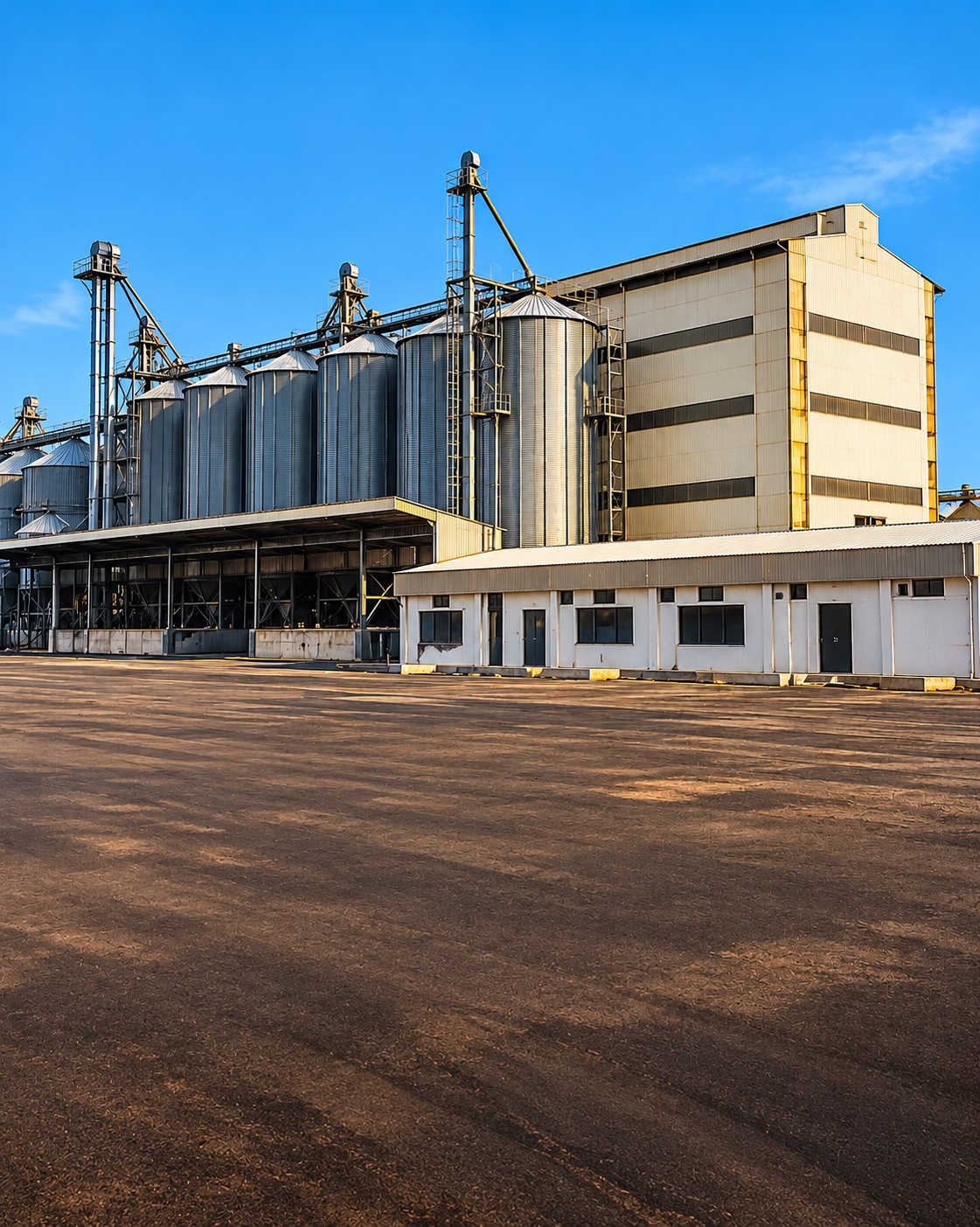
Taraku Mills Back in Business: Benue Eyes Jobs, Farm Markets and ₦8.2bn Annual Turnover
After years of dormancy, Taraku Mills is back in operation, with production testing beginning following extensive technical repairs and an overhaul of the facility.
The development marks a significant step towards the revival of the agro-industrial plant, which is designed to process some of Benue State's major agricultural commodities and convert them into finished and semi-finished products.
The revived facility is expected to process crops including soybeans, maize, beniseed and cassava, creating a stronger link between farmers and industrial processors.
The return of the mill is also expected to generate economic activity through agricultural production, transportation, manufacturing, distribution and other businesses connected to the processing value chain.
What Will Taraku Mills Produce?
Taraku Mills is designed to support several production lines, including edible oils, animal feeds and industrial products.
Cooking and Vegetable Oils
The facility is expected to process soybeans and other crops into edible and vegetable oils, including Golden Soya Oil.
Local processing could provide additional demand for soybean farmers while allowing more value to be generated from crops produced within the region.
Animal and Poultry Feeds
The mill also has a large-capacity feed production facility expected to manufacture livestock and poultry feeds.
The availability of locally produced feeds could support farmers involved in poultry and animal husbandry while creating another market for agricultural inputs.
Maize Processing and Industrial Products
Maize processing at the facility is expected to produce derivatives such as beer grits, which can be supplied to breweries and other manufacturing industries.
The processing activities will also generate other materials and by-products that can potentially be utilised across agricultural and industrial value chains.
A New Market for Benue Farmers
One of the major anticipated benefits of the mill's revival is increased access to industrial markets for farmers.
Benue is a major agricultural-producing state, but farmers have continued to face challenges including post-harvest losses, inadequate storage and limited access to large-scale buyers.
With Taraku Mills moving towards commercial production, substantial quantities of soybeans, maize, beniseed and other crops could be channelled into industrial processing.
The plant is projected to require approximately 100 metric tonnes of raw materials per day, creating potential demand for agricultural commodities.
The anticipated demand could encourage farmers to expand cultivation, improve yields and adopt more commercial approaches to production.
BIPC Aggregation Centres to Support Farmers
The Benue Investment and Property Company (BIPC) is also establishing agricultural aggregation centres in strategic locations, including Taraku, Gboko and Otukpo.
The centres are expected to provide farmers with facilities to store, grade and aggregate their produce before selling to processors and other buyers.
The initiative could help improve the movement of agricultural commodities from farms to industrial facilities while reducing some of the logistical challenges associated with fragmented agricultural production.
It could also create a more organised link between farmers, cooperatives, aggregators and processing companies.
1,500 Direct Jobs, More Than 5,000 Indirect Jobs Projected
The expected impact of Taraku Mills extends beyond the factory itself.
Projections for full commercial operations indicate the potential for approximately 1,500 direct jobs and more than 5,000 indirect jobs.
The indirect opportunities could span several areas, including:
Farming and agricultural cooperatives
Trucking and transportation
Logistics
Agricultural input supply
Equipment maintenance
Trading
Distribution
Warehousing
Technical services
If the projected production capacity is achieved and sustained, businesses operating around the agricultural value chain could also benefit from increased commercial activity.
₦8.2bn Annual Turnover Projected
Taraku Mills is projected to generate approximately ₦8.2 billion in annual turnover at full capacity.
The projected figure represents the anticipated commercial value of the facility's operations and would depend on the mill achieving its planned production capacity, securing sufficient raw materials and maintaining access to markets.
Beyond the factory, increased production could stimulate economic activity in communities and businesses connected to agriculture, transport, manufacturing and distribution.
From Farm Produce to Finished Products
The revival of Taraku Mills could also support greater value addition to Benue's agricultural output.
Rather than selling commodities only as raw produce, industrial processing allows crops such as soybeans and maize to be converted into products including edible oils, animal feeds and industrial raw materials.
This creates additional economic activity between the farm and the final market.
It also provides an opportunity to retain more of the value generated from agricultural production within the local economy.
Import Substitution Potential
The local production of edible oils and other processed agricultural products could also contribute to efforts to reduce dependence on imported alternatives.
By processing agricultural commodities locally, more stages of production — from farming and transportation to processing, packaging and distribution — can take place within Nigeria.
The potential impact therefore goes beyond Taraku Mills itself and could extend across the wider agricultural and manufacturing value chains.
What Comes Next?
With production testing now underway, the next critical stage will be the transition to sustained commercial operations.
The success of the revival will depend on factors including production capacity, reliable access to raw materials, infrastructure, logistics, market demand and the plant's ability to maintain consistent operations.
For Benue, however, the return of Taraku Mills represents a significant development in the effort to connect the state's agricultural production with industrial processing.
If the projected capacity is achieved, the mill could provide new markets for farmers, thousands of direct and indirect employment opportunities and increased economic activity across the agricultural value chain.
What's Your Reaction?
 Like
0
Like
0
 Dislike
0
Dislike
0
 Love
0
Love
0
 Funny
0
Funny
0
 Wow
0
Wow
0
 Sad
0
Sad
0
 Angry
0
Angry
0

Editor





Comments (0)