

We Don’t Have to Build Refineries Where Oil Is — Dangote
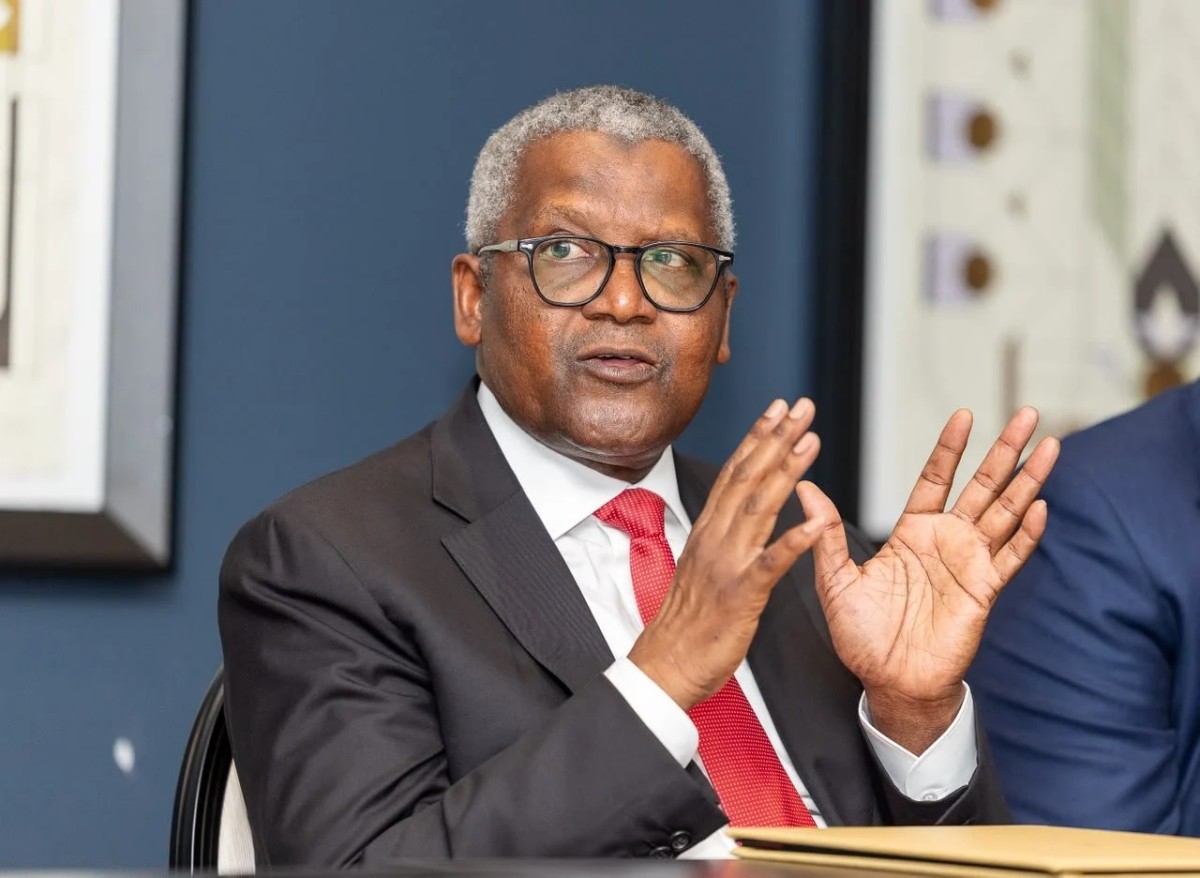
Aliko Dangote says countries do not necessarily need to build refineries where crude oil is produced, citing Singapore as an example as he discusses Kenya’s proposed KES 2 trillion Lamu refinery.
We Don’t Have to Build Refineries Where Oil Is — Dangote
Dangote defends proposed KES 2trn Kenya refinery, cites Singapore and says Africa could become fuel self-sufficient by 2030
Africa’s richest man, Aliko Dangote, has defended plans for a proposed KES 2 trillion refinery in Lamu, Kenya, saying a country does not have to be a major crude oil producer before it can develop a successful refining industry.
Dangote made the clarification during an interview with NTV Kenya, following questions surrounding the decision to establish a major refinery in Kenya despite concerns about the country’s domestic crude oil production.
Questions have been raised over where the crude feedstock for the proposed refinery would come from, with some observers questioning the rationale for investing in a large-scale refinery in a country that does not have the same level of crude oil reserves as major African producers such as Nigeria.
For Dangote, however, the argument that a refinery must be located where crude oil is produced is misplaced.
«“You don’t have to build a refinery where the oil is. Singapore doesn’t have oil, but they have refineries. They bring the raw material,” Dangote said.»
Why Singapore Matters
Dangote used Singapore to illustrate his argument.
Although Singapore is not a major crude oil producer, it has developed into one of the world's major refining and petroleum-trading centres by importing crude oil and processing it for domestic and international markets.
The Singapore example, according to Dangote’s argument, demonstrates that access to crude does not necessarily mean physical proximity to an oil field.
Crude oil can be transported from producing countries to strategically located refineries, where it can be processed and distributed to large consumer markets.
This means factors such as access to ports, transportation infrastructure, regional markets, logistics, storage facilities and distribution networks can be as important to refinery location as the presence of crude oil underground.
It is against this background that Dangote sees the proposed Lamu refinery as commercially viable.
Why Lamu?
The proposed refinery would be located in Lamu, a coastal area with access to maritime transportation and regional markets.
The location could allow crude oil to be brought in by sea, processed and subsequently distributed to Kenya and potentially other markets in East Africa.
The proposed investment is estimated at approximately KES 2 trillion, making it one of the major proposed energy investments associated with Kenya.
Figures discussed during the NTV Business interview indicate that the refinery could generate about KES 3.9 trillion in annual revenue at peak operations.
Dangote also said the project is expected to be structured to allow participation through Kenya’s capital market, with plans for the refinery to be listed on the Nairobi Securities Exchange (NSE).
That would potentially give Kenyan investors an opportunity to participate in the ownership and economic benefits of the project.
‘We’re Ready for Anyone Who Wants to Cause Trouble’
Dangote also addressed the possibility of opposition and legal challenges to the project.
He said those behind the investment were prepared for anyone who attempted to frustrate the project, pointing to legal proceedings that had already gone through the courts and judgments that, according to him, had strengthened their position.
He maintained that the project promoters were prepared to deal with further challenges and remained committed to seeing the investment through.
His comments suggested that the promoters do not intend to abandon the project because of opposition or obstacles encountered along the way.
Part of a Bigger African Refining Strategy
The proposed Lamu refinery is also significant in the context of Dangote’s wider argument about Africa’s dependence on imported petroleum products.
During the interview, he reiterated his expectation that Africa could become substantially self-sufficient in refined petroleum products by around 2030, reducing the continent’s reliance on fuel imports.
The ambition reflects a major structural problem in Africa’s petroleum industry: several countries produce crude oil but still depend heavily on imported refined petroleum products because they lack sufficient refining capacity.
Nigeria is a prominent example.
The country is one of Africa’s major crude oil producers, yet for years depended significantly on imported refined petroleum products because of inadequate domestic refining capacity.
Dangote’s 650,000-barrel-per-day refinery in Lagos represents a major attempt to change that pattern by processing crude on the continent and supplying refined products to Nigeria and other markets.
The proposed Kenyan investment would take the refining argument beyond a single oil-producing country.
Rather than asking whether Kenya has enough crude beneath its soil, Dangote’s position is essentially whether Kenya can secure crude from global producers, refine it efficiently and serve a large regional market.
From Nigeria to Kenya — and a Wider Question for Africa
The development also raises a broader question about the future of Africa’s petroleum industry.
If large-scale refineries can operate successfully in strategic locations that import crude, African countries would not necessarily have to wait until they discover large oil reserves before developing refining and petroleum-processing industries.
For Dangote, this could help create a more integrated African petroleum market in which crude is sourced from producing countries, transported to strategically positioned refineries and converted into products closer to the markets where they are needed.
His Singapore comparison therefore goes beyond Kenya.
It challenges the traditional assumption that oil production and oil refining must happen in the same geographical location.
The proposed Lamu project could potentially serve Kenya while also supplying neighbouring East African markets, depending on its eventual scale, economics and commercial arrangements.
And with Nigeria already having the Dangote refinery in operation while Kenya considers a major new refining investment, Dangote’s comments point toward a broader vision of expanding Africa’s refining infrastructure.
The stated goal is not simply to build more refineries.
It is to change the continent’s relationship with its petroleum resources — from exporting crude and importing finished fuel to increasingly processing petroleum within Africa and supplying African markets from African-based refining infrastructure.
As Dangote put it in his broader outlook, Africa should be moving towards a point where it no longer needs to depend heavily on imported fuel.
With his Nigerian refinery already established and the proposed Kenyan project now attracting attention, the question of where the next major refining investment could emerge may become increasingly relevant to Africa’s energy future.
Source: NTV Kenya
What's Your Reaction?
 Like
0
Like
0
 Dislike
0
Dislike
0
 Love
0
Love
0
 Funny
0
Funny
0
 Wow
0
Wow
0
 Sad
0
Sad
0
 Angry
0
Angry
0

Editor


Comments (0)