

Attacks on Health Services in Conflict Zones Exceed Four Every Day
WHO data show worsening danger for patients and medical workers in conflict areas, threatening access to care when communities need it most.

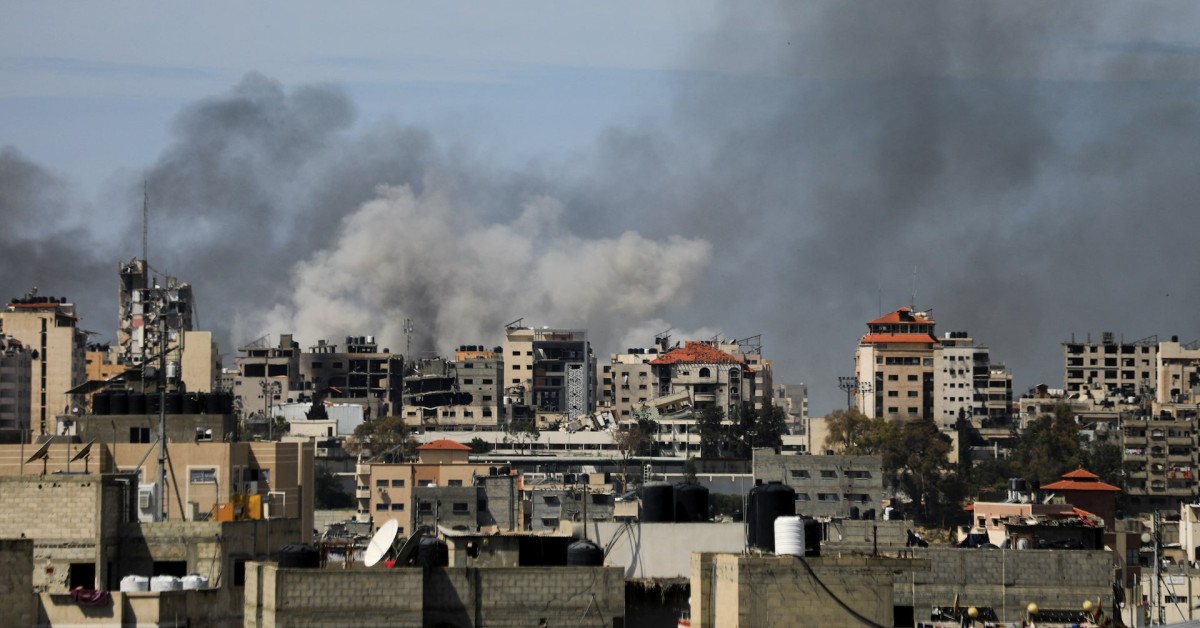
Attacks on hospitals, clinics, ambulances and health workers are occurring more than four times a day across conflict-affected settings, according to World Health Organization monitoring cited in public reporting. The pattern is placing patients and medical personnel at risk precisely when war and displacement are driving the greatest need for emergency care.
The damage extends beyond the immediate casualties. When a facility is hit, closed or abandoned, communities can lose access to surgery, maternity services, vaccination, treatment for chronic illness and basic medicines. Ambulance routes may become unsafe, supply chains can break down and experienced staff may leave areas where they no longer believe they can work securely.
Health systems in conflict zones are rarely operating with spare capacity. A single disrupted hospital can therefore affect an entire region, forcing patients to travel farther through dangerous territory and increasing pressure on the few facilities that remain open. Children, pregnant women, older people and patients requiring regular treatment face particularly serious consequences.
International humanitarian law provides special protection for medical personnel, facilities and transport. Health organisations continue to call for attacks to be independently investigated, for safe access to be guaranteed and for all parties to distinguish civilian medical infrastructure from military objectives. Documentation is essential because under-reporting can conceal both the scale of harm and the long-term damage to public health.
Protecting healthcare is not separate from the humanitarian response; it is one of its foundations. Without functioning clinics, trained professionals and secure routes for patients and supplies, preventable illness and injury can become a second crisis long after the fighting itself.
Reporting basis: NewsRena Editorial Desk review of World Health Organization monitoring and verified public reporting.
What's Your Reaction?
 Like
0
Like
0
 Dislike
0
Dislike
0
 Love
0
Love
0
 Funny
0
Funny
0
 Wow
0
Wow
0
 Sad
0
Sad
0
 Angry
0
Angry
0







Comments (0)