

Idoma Man Can’t Govern Benue, Tiv Not Ready to Surrender Power — Steven Lawani
Former Benue Deputy Governor Steven Lawani has reignited the debate over power rotation, alleging that the state's dominant Tiv ethnic group remains unwilling to hand over the governorship to an Idoma candidate.
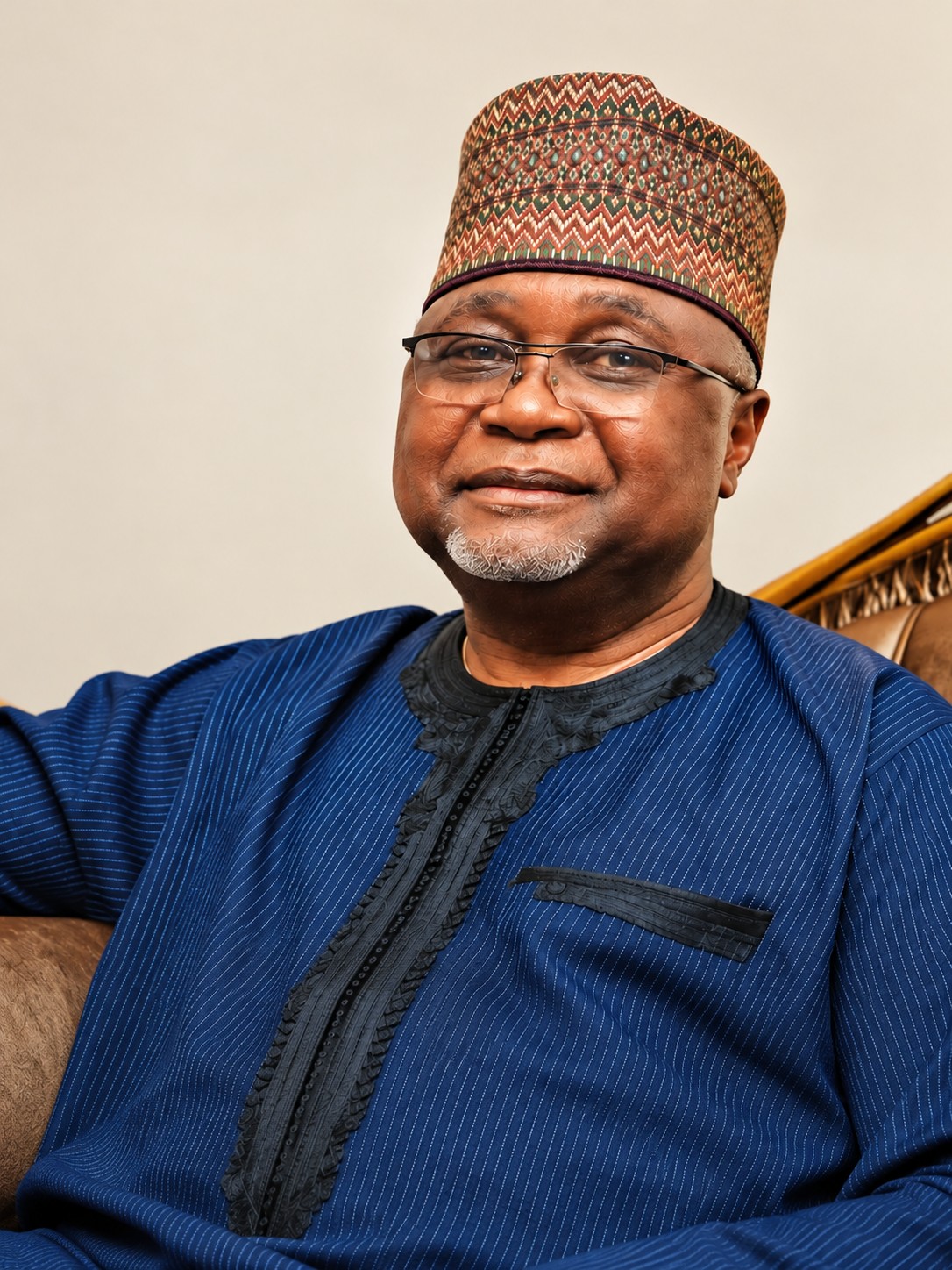
Idoma Man Can’t Govern Benue, Tiv Not Ready to Surrender Power — Steven Lawani
Former deputy governor alleges ethnic politics frustrated his governorship ambition, insists the same obstacle persists today.
Former Benue State Deputy Governor, Chief Steven Lawani, has reignited the debate over power rotation in the state, alleging that the dominant Tiv ethnic group was unwilling to hand over the governorship to an Idoma person.
Lawani, who served as deputy governor under former Governor Gabriel Suswam from 2007 to 2011, said ethnic considerations frustrated his ambition to become governor despite his political experience and efforts to secure the position.
In an interview with Daily Trust, the former deputy governor attributed his inability to succeed Suswam to what he described as the reluctance of the state's dominant ethnic group to transfer power to a minority group.
“But it had to do with the major tribe in the state feeling unprepared to hand over to a minority tribe. That was simply the reason, not because I was considered incapable. They were simply not ready to hand power over to a minority tribe,” Lawani said.
‘There Is No Chance for an Idoma Man’
Lawani, an indigene of Otukpa in Ogbadibo Local Government Area of Benue State, disclosed that he pursued the governorship after completing his tenure as deputy governor but failed to emerge as the party's candidate.
According to him, he defeated the eventual winner in the party's primary election but was ultimately unsuccessful in his bid to secure the governorship.
He maintained that the outcome reflected the influence of ethnic considerations in Benue's political calculations, arguing that the circumstances surrounding his ambition were not simply a question of competence.
“I am sure you are not new to the politics of this place. The same factor remains still today,” he added.
His remarks have renewed questions about the prospects of an Idoma candidate emerging as governor, particularly amid longstanding calls for power to shift to Benue South Senatorial District.
Lawani Recalls 2023 APC Governorship Contest
The former deputy governor also recounted his attempt to contest the governorship under the All Progressives Congress (APC) in 2023, alleging that changes to the party's primary election arrangements undermined his ambition.
Lawani said party stakeholders had initially prepared for an indirect primary before the process was changed to a direct primary on the day of voting.
He said he subsequently withdrew from the race, believing the circumstances did not favour his candidacy.
“I left and said that enough was enough; I was not going to bother myself anymore, as there was no chance for an Idoma man to be governor in Benue State,” he said.
Despite his disappointments, Lawani said he remained politically active and continued to support the APC.
The Question of Power Rotation in Benue
Lawani's comments have brought the debate over ethnic representation and the distribution of political power back into focus in Benue State.
The question of whether the governorship should rotate among the state's major ethnic groups, including the Tiv, Idoma and other communities, has remained a recurring issue in political discussions.
For advocates of power rotation, the demand is rooted in political inclusion, fairness and the need to ensure that no ethnic group feels permanently excluded from the state's highest office.
However, the debate also raises fundamental questions about democratic competition, political party structures and the right of every qualified citizen to contest for public office regardless of ethnic background.
Lawani's account presents his personal interpretation of the circumstances that shaped his governorship ambitions. His allegations have not, in themselves, established that ethnic considerations were the sole reason for his political setbacks.
Nevertheless, his assertion that the same obstacle persists today is likely to intensify conversations about the political future of Benue South and the possibility of an Idoma governor.
As Benue's political calculations continue to evolve, one question remains: Is the state's governorship open to every qualified candidate, or do ethnic considerations continue to shape who gets a realistic chance at the top job?
Source : Daily Trust
What's Your Reaction?
 Like
0
Like
0
 Dislike
0
Dislike
0
 Love
0
Love
0
 Funny
0
Funny
0
 Wow
0
Wow
0
 Sad
0
Sad
0
 Angry
0
Angry
0

Editor


Comments (0)