

National Assembly Plans to Translate Nigerian Laws Into Hausa, Igbo, Yoruba
The National Assembly says it plans to translate Nigerian laws into Hausa, Igbo, Yoruba and other local languages as part of efforts to expand public access to legislative information.
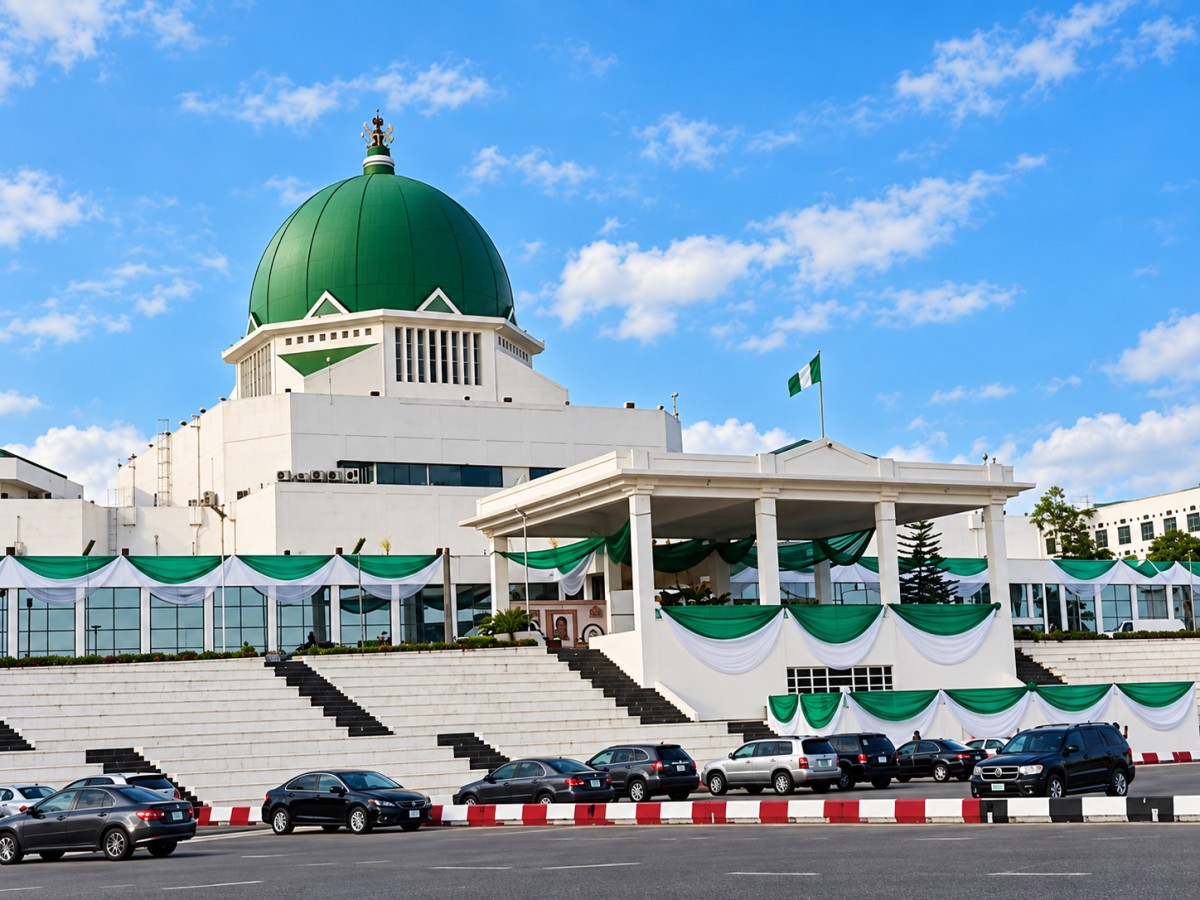
National Assembly Plans to Translate Nigerian Laws Into Hausa, Igbo, Yoruba
The National Assembly is set to make Nigerian laws more accessible to the public by translating them into Hausa, Igbo, Yoruba and other local languages.
The Executive Secretary of the National Assembly Library Trust Fund, Henry Nwawuba, disclosed this on Monday in Abuja while declaring open the 2026 National Assembly Library Week.
The three-day event, themed “Parliamentary Memory: Connecting Records, Legislation and the People,” is focused on improving access to legislative records, research and parliamentary information.
Nwawuba said the National Assembly Library was more than a repository of books, describing it as the legislature’s “knowledge infrastructure” and a repository of parliamentary records.
He said the library was working to expand access to authoritative documents, including Order Papers, Votes and Proceedings, committee reports and Acts passed by the National Assembly.
As part of its digitisation efforts, the Trust Fund is upgrading its e-library and developing a mobile application through which lawmakers, legislative aides, researchers and members of the public can access parliamentary information.
It is also developing a Bills Tracker to enable users to follow bills and monitor their progress through the legislative process.
Nwawuba said the library would produce infographics, audiovisual materials and video explainers to simplify bills, Acts and legislative procedures for Nigerians.
He said translating laws into local languages would enable more citizens to understand legislation that affects their daily lives.
The library also plans to organise public policy dialogues aimed at encouraging greater citizen participation in public hearings and strengthening interaction among lawmakers, researchers and members of the public.
Nwawuba said the initiatives would also help address the circulation of fake, altered or unauthorised parliamentary documents.
Speaking through Senator Osita Ngwu, Senate President Godswill Akpabio urged lawmakers to make greater use of the library, particularly amid the growing spread of misinformation, disinformation and artificial intelligence-generated content.
House Leader Julius Ihonvbere, who represented Speaker Abbas Tajudeen, said preserving legislative records was essential to understanding Nigeria’s legislative history and strengthening democratic governance.
He said technology and artificial intelligence could improve legislative research and records preservation but stressed that their use must be guided by accuracy, security and professional judgment.
The Clerk to the National Assembly, Kamoru Ogunlana, said a legislature could not be truly independent without the capacity to generate, preserve, retrieve and authenticate its institutional records.
Ogunlana identified the Order Paper, Votes and Proceedings and Hansard as important components of Nigeria’s democratic memory, while warning against the circulation of incomplete, outdated, altered or unauthorised parliamentary documents.
He also highlighted the challenges surrounding the Laws of the Federation of Nigeria, LFN 2004, noting that the compilation reflected laws covered by that revision exercise and was not automatically updated whenever new legislation was enacted.
Ogunlana called for stronger cybersecurity, digital preservation, authentication systems, access controls, backups and staff training as parliamentary records become increasingly digitised.
He said the National Assembly Library must evolve from simply storing documents to becoming an institution where parliamentary knowledge is preserved, authenticated and made accessible to lawmakers, researchers, journalists, civil society organisations, students and the wider public.
The President of the Nigerian Library Association, Dr Lawal Umar, called for sustained investment in libraries and information technology, while urging stronger collaboration between the National Assembly and state Houses of Assembly.
The Secretary-General of the Conference of Speakers of African Legislatures, Amb. Debo Oyewale, also called for greater cooperation among African legislatures in preserving legislative records and institutional memory.
Source: News Agency of Nigeria (NAN)
What's Your Reaction?
 Like
0
Like
0
 Dislike
0
Dislike
0
 Love
0
Love
0
 Funny
0
Funny
0
 Wow
0
Wow
0
 Sad
0
Sad
0
 Angry
0
Angry
0

Editor








Comments (0)